Uranium: At the Fulcrum of AI, National Security and Global Energy Demand

You are watching Metals in Motion. I'm Thalia Hayden with ETF Guide. We are so glad to see you again. Countries around the globe are realizing that to meet rising electricity demands and fight climate change, they need a clean and reliable energy source with high capacity output. And that's pushed nuclear energy into the spotlight. This, of course, includes uranium, the required fuel source for nuclear energy.
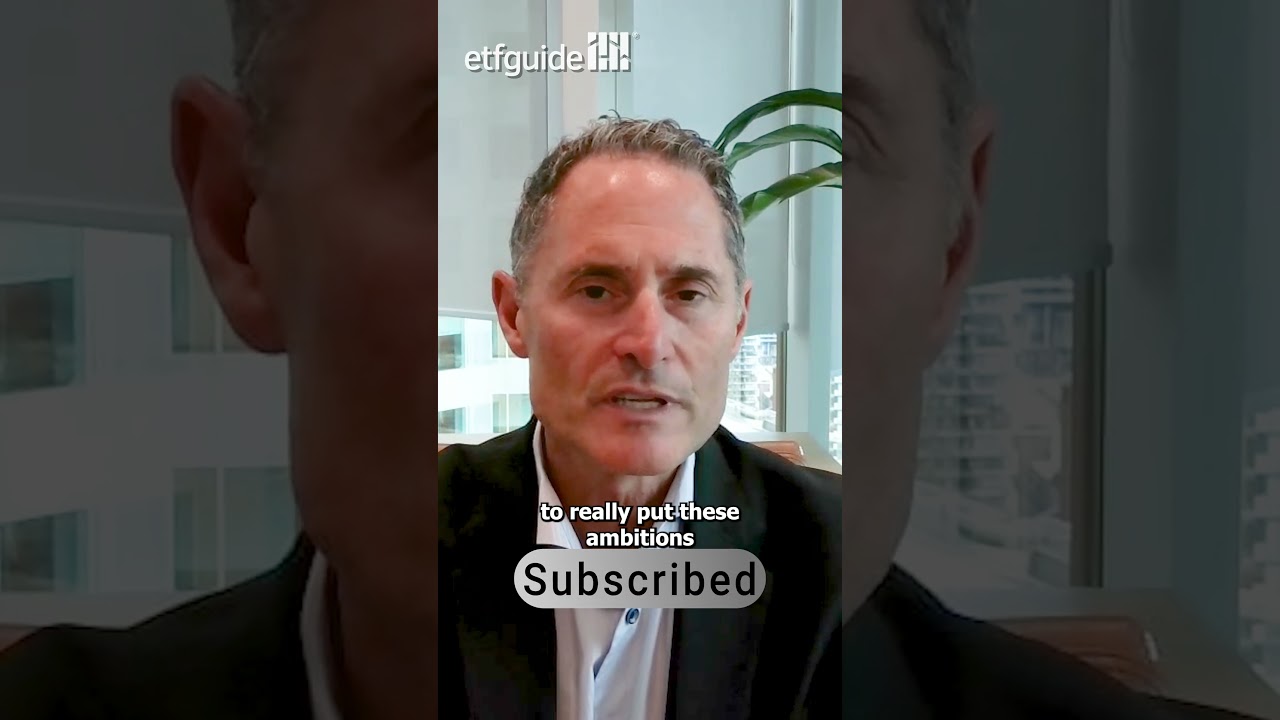
Besides being a major secular trend, it's also a mega investment trend. Helping us to get to the bottom of all this, John Champalia, the CEO at Sprat Asset Management. Welcome to the show, John. Great to see you again.
Yeah, thanks for having me back. Good to chat.
Yes, and we understand that you just attended the 2025 World Nuclear Symposium in London. No doubt there was a lot to digest, but a major takeaway is that uranium demand is set to dramatically increase over the next 5 years as nuclear power gains momentum. What's driving this increasing demand?
Yeah, I think it's exactly what you said in increasing load growth and one really interesting stat that I came across was in the month of July was the single largest use of electricity in the United States, I think, in history. And obviously that is dictated by seasonal factors, but it is I think increasingly being acknowledged that things like AI data centers which are, you know, use large amounts of electricity and reshoring of a lot of manufacturing, all these things are contributing to much higher load growth.
I think that's where nuclear energy really comes into the story here because of the unique attributes that it provides to a grid, which are 24/7, 365 days a year base load power. And that's really what the grid needs. The grid needs stability to offset intermittency of renewable energy. And that's why I think there's a renewed interest not just for grid stability, growing load growth, and for some countries, obviously energy security and national security are a priority for them.
You just touched on this a little bit. The partnership between the nuclear industry and large energy users such as tech companies with AI data centers was another highlight from the 2025 World Nuclear Symposium. Why do technology companies need nuclear energy and is there evidence of business coordination between the tech sector and nuclear industry?
Yeah, I thought the most interesting thing was that Microsoft is now a member of the World Nuclear Association and they were there at the conference and I think that's really telling because a few years ago nobody would have predicted that one of the world's largest technology companies would be involved in nuclear energy and it's really about their aspirations around AI data centers. As I mentioned, they do consume huge amounts of power and I think they are realizing, not just Microsoft, but Google and Meta and the other companies that their aspirations in this AI race, and it is a race with China, it's not about chips or people or building these facilities, a lot of the challenges is sourcing clean firm energy that they can use to power these data centers.
That's why these hyperscalers, as they're called, are really looking to nuclear energy to be part of the solution. They're still relying on renewable energy sources and other clean forms and natural gas as well, but nuclear is part of the solution that they've realized in the last couple years. And that's why these hyperscalers are bringing their capital, they're bringing their people into the fold here. And it is kind of getting investors excited when some of the most valuable companies in the world are interested in this technology.
Well, that certainly makes sense. The growth of nuclear power means greater demand for uranium, which is the required fuel source. How is this impacting uranium prices? And do you think uranium miners will be able to meet demand?
Yeah, it's a really good question and it was a key focal point of this conference and this is the world's largest nuclear energy conference that happens every year in September and the association every two years puts out a new supply demand forecast which they did last week and what was very interesting about it is that in all three scenarios, the base case, the high case and the low case, demand is growing much more than previously expected. We went from an industry that was basically growing, you know, maybe 1% per year.
The latest forecast is calling for 5% growth per year to 2040. That is being driven by all kinds of factors, new builds, restarts, life extensions. So on the supply side, you know, the question is how is the industry going to meet this growing demand? And it is a challenge because right before the conference we had the two largest uranium miners in the world both signal they're having some production challenges or limitations and that is kind of a wakeup call that we need to see more production.
We need to see higher prices to incentivize more uranium mining. And that was a real I think theme of the conference that to meet these big growth aspirations, we also need to make big investments in uranium mining which is obviously bodess well for the sector.
Important discussion and you touched on this. How is the supply of uranium tied to energy security for nations around the globe?
Yeah. Well, you know, countries are not going to build these multi-billion dollar facilities without knowing they've got security of supply on the underlying fuel. And I think China's the best case study here where they have the most aggressive expansion plans for nuclear energy where they're building upwards of 10 new reactors per year. And just to put that into context, the US has built two in the last 30 years.
So they are very aggressively building new plants and they're also very aggressively buying the required fuel. So we see China as a continued very large buyer and largest buyer in the world of uranium which has really helped support the price. The price over the last few years has obviously more than doubled in response to all of these market signals that we're getting. And so it's a very positive backdrop and you know, you use the term kind of mega trend and it's interesting that I met a portfolio manager in London who runs a mega trend fund and she said to me this is a mega trend they've identified and they want to understand how to invest in it.
So I think it's a really good kind of anecdote around how people are looking at this investment thematic.
And John, one more thing before you go. To meet growing uranium demand, what's the potential outlook for uranium miners? Are there new minds on the way and will other operations be restarted? How could this be an investment opportunity?
Yeah, I mean just a few years ago there was very little interest in this space because pricing was not economic and just at the conference last week one of the uranium development companies announced an agreement with a utility to deliver uranium and we're seeing more and more of these announcements and they're really important because what's happening is these utilities realize they need to secure supply from multiple sources. They are willing to help fund the construction of these new uranium deposits which is very very important for these companies to get to revenue and cash flow and we think we're going to see more and more of these development companies you know bring their production to market in the in the next few years helped in part by capital from the utilities.
So it's a very strong backdrop in terms of pricing and obviously the demand is there and utilities are willing to write checks to to get these projects to market. John, always a pleasure. Thank you so much for joining us. Keep up the great work.
Thanks for having me.
For us investors, SPAT offers several ways to participate in the nuclear renaissance. SPAT manages ETFs linked to uranium miners and physical uranium. Visit spatetfs.com to learn more. And that does it for today's episode of Metalsin Motion. If you enjoyed the show, please tell us in that comment section below and also hit that like button. Also, you can check out our season 2 playlist to watch all of this year's archived episodes. It's located in that description section below. I'm Thalia Hayden with ETF Guide. Thanks for watching and we'll see you next time.