Why Advisors Are Drawn To Active Gold Mining Strategies
Those investors that have been invested in miners for so long are moving out of the gold trade. We do see new money starting to come in. Earlier this year, we launched the GBUG, which is our Sprott active gold and silver mining ETF. That's actually gotten a lot of traction.
It's the only active strategy out there on the market as it relates to gold mining. The value proposition there is we tend to see a lot of dispersion returns between different companies within the gold mining sector, and an active strategy could help investors outperform the broader gold equity market when you're having these conversations with investors. How do you choose between gold and passive and active strategies? How are advisors thinking about those options?
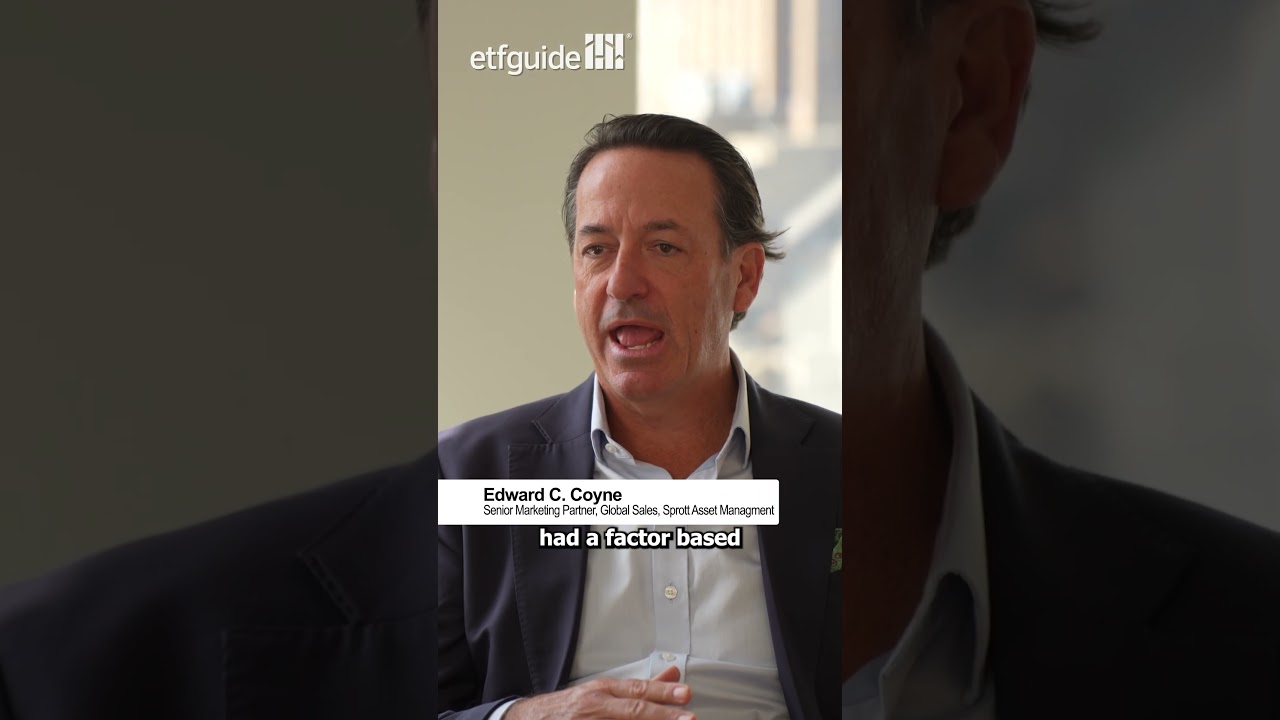
You said a key word there: active. Sprott's had a factor-based suite of ETFs for a while. We've got a senior mining ETF, and we have a junior mining ETF, but to your point, GBug is something that's newer, and we're finding more and more advisors are looking at the active side of this equation.
As you go down to market cap, as you go into corners of the room like mining stocks, advisors want to have a more hands-on approach to the allocation of the individual names in those portfolios. So while a passive strategy or even a factor-based strategy may be appropriate for a core allocation, for an advisor who is really looking to go into this, particularly for the first time, they want that additional umbrella of an active manager going out there and looking at the best names.
We're starting to see as more investors start to think about miners, in some cases for the very first time, they are leaning more towards that active approach, which is one of the few spaces out there today, particularly in the world of ETFs, where active management is starting to gain real traction.